

Austin Commute Reality Check: Choosing a Home Base That Gives You Your Time Back
Austin has a way of making everything feel close—until you're staring at brake lights and your calendar is filling up faster than your gas tank empties. The truth is, "minutes on a map" rarely match the real, day-to-day experience of getting to work, school drop-off, the gym, or a last-minute dinner plan. Picking the right home base isn't just about a shorter drive; it's about building a routine that feels lighter, more predictable, and easier to enjoy.
This reality check is simple: your commute is a lifestyle decision. Below is a practical framework Synergy Property Group uses to help buyers evaluate neighborhoods through the lens of time—because the best home isn't always the one with the nicest kitchen, it's the one that makes your weekday life work.
Start With the Commute You Actually Live (Not the One You Imagine)

Define the trip chain. Most people don't commute from "home to office." They commute from home to childcare, to work, to errands, to practice, to home. Write down your top three weekly routes and the times you travel them. A neighborhood that's great for a single downtown commute might be frustrating if you're constantly crossing town for school, clients, or activities.
Use time windows, not averages. "Twenty-five minutes" can mean 18 minutes at 10:30 a.m. and 55 minutes at 8:10 a.m. Look at your likely departure windows and test them. The goal isn't perfection—it's predictability. When your commute is consistent, your whole day feels less reactive.
Don't forget the return trip. In Austin, the morning may be manageable while the afternoon return can stretch unexpectedly. When you're comparing areas, treat the drive home as equally important, because it sets the tone for your evenings, family time, and how often you'll actually say yes to plans.
Think in "Access Rings," Not Neighborhood Names
Austin home searches often start with labels—"north," "south," "east," "west"—but commuting decisions are really about access to corridors and daily destinations. Instead of asking, "Which neighborhood is best?" ask, "Which access ring makes my routine easiest?"
- Inner access: close to core employment centers, hospitals, universities, and high-frequency services. Typically more walkable and time-efficient, often with smaller lots and higher price-per-square-foot.
- Middle access: a balance of space and convenience—often the sweet spot for households that want a yard without feeling disconnected from the city's rhythm.
- Outer access: more home for the money and newer builds, but commutes are more sensitive to incidents, school zones, and peak-hour patterns.
Once you know which "ring" you're comfortable with, you can evaluate specific pockets more confidently. Two neighborhoods can be the same distance from your office but feel completely different depending on how quickly you can reach the right corridor and how many bottlenecks sit between you and your destination.
Stress-Test the Routes Before You Commit

Drive it like you mean it. If you can, do two test runs: one on a typical weekday during your real departure time and one on a "messy" day (when school is in session or weather is questionable). Notice where traffic stacks, where merges feel chaotic, and where you lose time in small chunks—traffic signals, school pickup lines, and short stretches that always slow down.
Watch for hidden time costs. Parking and the "last mile" can be the difference between a tolerable commute and a daily drain. If you work near a dense employment hub, consider how long it takes to park, walk in, and decompress. Similarly, if you rely on rideshare or a park-and-ride option, test it end-to-end.
Build in recovery time. The best commute plans include an escape hatch: a nearby trail, a quick workout option, a peaceful coffee stop, or a scenic drive alternative. When you have a way to reset, the inevitable delays feel less personal—and your home base starts to feel like a support system, not just an address.
Match Your Housing Style to Your Schedule
Saving time isn't only about miles—it's also about maintenance and how your home "operates" on weekdays. A larger yard, a pool, or a longer list of DIY projects can be wonderful, but they carry a time bill that shows up on Saturdays and weeknights. If your career is in a busy season or your household calendar is packed, a lower-maintenance home closer to your daily routes may create more breathing room than extra square footage ever will.
On the other hand, if you work remotely most days, you can treat commute as an occasional event and prioritize a home that supports focus: a dedicated office, quiet streets, good natural light, and space that makes long work sessions comfortable. The right decision depends on your weekly pattern, not just your preferences on a weekend tour.
Quick checklist: what to compare when two homes feel "equal"
- Peak-hour drive time to your top two destinations (not just your office).
- Route resilience: more than one reasonable way to get where you need to go.
- School and activity flow: how pickup and practice times fit with traffic surges.
- Errand efficiency: how quickly you can handle groceries, pharmacy runs, and appointments.
- Evening lifestyle: whether you'll actually go out or stay in because the drive feels like a chore.
How Synergy Property Group Helps Buyers Make a Commute-Smart Choice
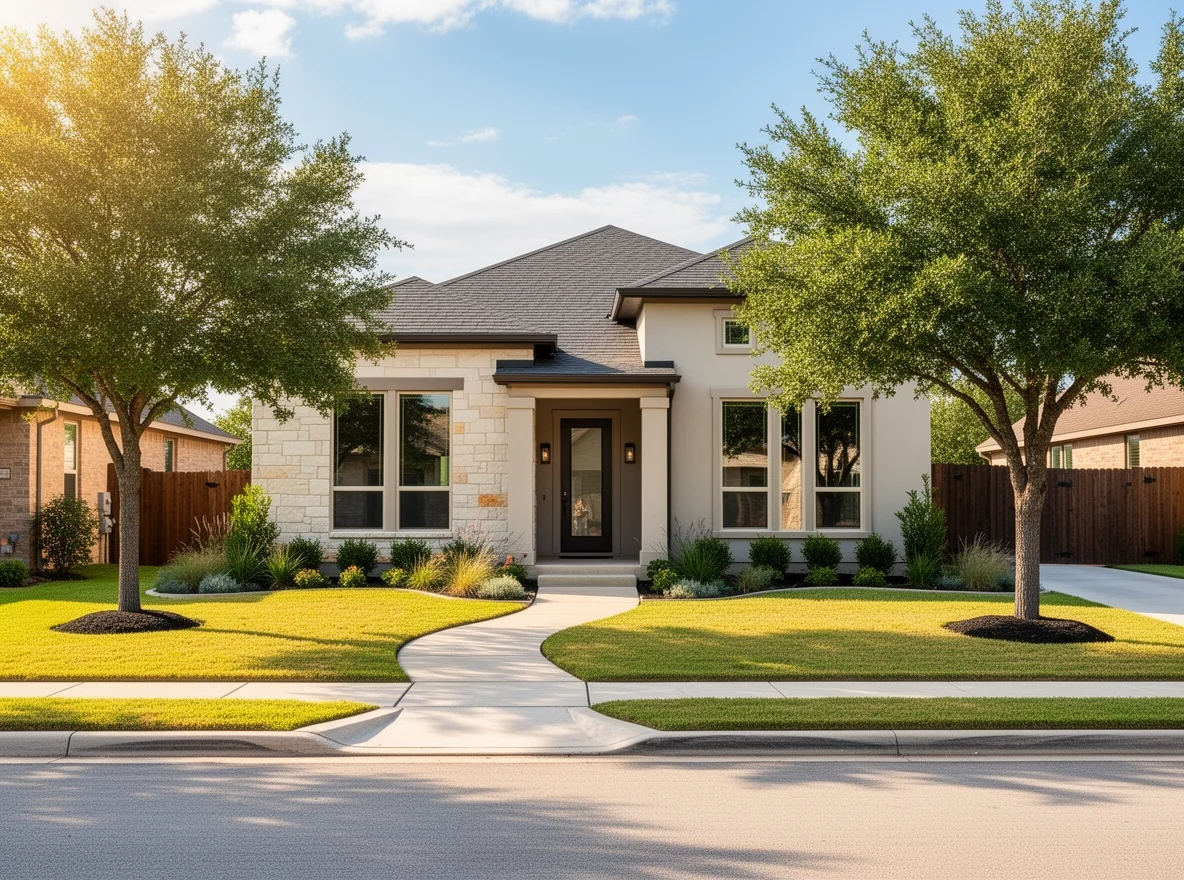
Great home buying decisions happen when you replace guesses with scenarios. Synergy Property Group encourages clients to map their "real week," then evaluate candidate areas based on how they function at the times that matter. That includes identifying the routes you'll take most often, estimating how school schedules and seasonal traffic affect them, and weighing the tradeoffs between space, budget, and accessibility.
It's also where market reality comes in: areas with shorter, more reliable commutes often command stronger demand, which can influence pricing, competition, and long-term resale. Meanwhile, outer-ring areas may offer more home for the money, but the value equation depends on whether the commute cost—time, stress, and flexibility—fits your household.
If you're planning a move, consider this your permission to prioritize time like the asset it is. A home that supports your day-to-day rhythm can make Austin feel more livable, more spontaneous, and a lot more fun—because when the commute stops stealing your hours, you get them back to spend on the things that brought you here in the first place.